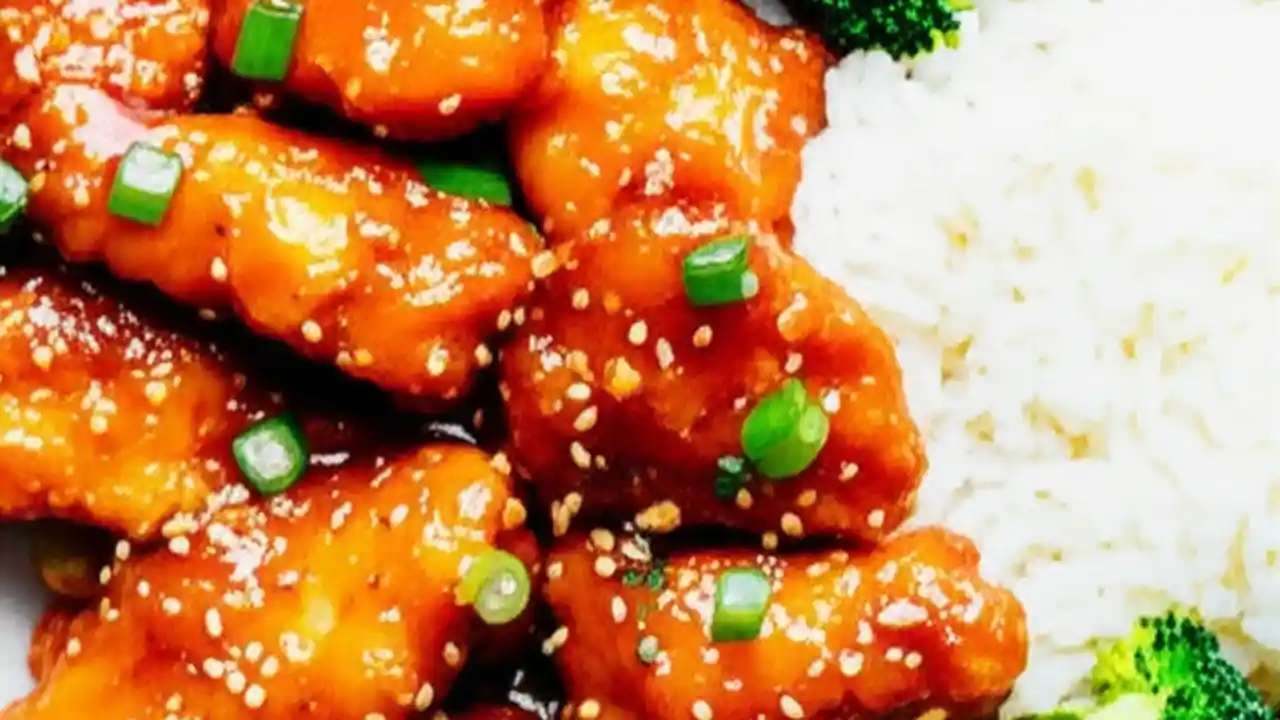
Orange Chicken's Rise: From 1987 Debut to an American Takeout Icon
Few dishes command the same level of comfort and widespread adoration in American fast-casual dining as orange chicken. This iconic dish, with its glistening pieces of crispy chicken enveloped in a vibrant, sweet-and-tangy orange glaze, has carved out a unique space in the hearts and palates of millions. Its allure lies in a masterful blend of textures and flavors – the satisfying crunch of perfectly fried chicken giving way to tender meat, all coated in a sauce that dances between citrus brightness, comforting sweetness, and a hint of savory depth. But where did this culinary sensation come from, and how did it become the undisputed champion of Americanized Chinese takeout?
The Genesis of an Icon: Andy Kao and Panda Express
The story of orange chicken isn't one rooted in ancient Chinese culinary traditions, but rather in a moment of innovation that occurred in 1987. The mastermind behind this groundbreaking creation was executive chef Andy Kao, a Taiwanese-born culinary professional with a background steeped in French cuisine. Chef Kao was instrumental in the opening of Panda Express's first location in Hawaii, and it was during this pivotal time that he conceptualized what would become the chain's signature dish.
His inspiration was a fascinating fusion of influences. Drawing upon the rich, complex flavors of traditional Hunan cuisine and building upon the popularity of dishes like General Tso's chicken – another stalwart of Americanized Chinese menus – Kao sought to create something distinct yet universally appealing. He ingeniously adapted a bone-in chicken recipe, transforming it into a more consumer-friendly, boneless dark meat rendition. This choice of boneless dark meat, typically chicken thighs, was strategic; it offered superior tenderness and a greater ability to absorb the sauce without drying out during cooking, ensuring a consistently delicious experience for diners.
The true stroke of genius, however, came with the incorporation of orange peel oil. This ingredient was key to crafting the dish's unmistakable citrusy profile, setting it apart from its savory predecessors. The sauce itself is a carefully balanced symphony of flavors, often featuring water, sugar, distilled vinegar, modified food starch, soy sauce, salt, garlic, phosphoric acid, rice wine, and sesame oil. The chicken pieces, meanwhile, are coated in a proprietary batter typically made from wheat flour, eggs, and leavening agents, ensuring that signature crispy exterior that is so crucial to the dish's appeal.
Deconstructing the Deliciousness: What Makes Orange Chicken Irresistible?
At its core, the allure of orange chicken lies in its textural and flavor contrasts. You have the satisfying crunch of shallow-fried chicken, giving way to succulent, bite-sized pieces of meat. This is then perfectly complemented by a glossy, often sticky sauce that is predominantly sweet and tangy. While similar in concept to sweet and sour chicken, which typically relies on vinegar and pineapple juice for its tang, orange chicken distinguishes itself by harnessing the bright, aromatic notes of citrus.
Beyond the fundamental orange juice (or extract) and rice wine vinegar, a truly exceptional orange chicken sauce often incorporates a more complex aromatic profile. Elements like dried hot chili peppers can introduce a subtle warmth, while star anise adds a licorice-like depth. Even dried tangerine peels can be used to impart an extra layer of citrusy bitterness and fragrance, enhancing the overall dimension of the flavor. These additional aromatics elevate the sauce from merely sweet-and-sour to something far more intricate and memorable.
When it comes to the chicken, while dark meat (boneless, skinless thighs) remains the traditional and often preferred choice for its inherent tenderness and juiciness, many variations successfully utilize chicken breast for a leaner option. The preparation of the chicken is also critical: instead of a velveting step, which is common in many stir-fries, the chicken pieces are typically simply marinated and then dredged in cornstarch before frying. This simple coating is what achieves that coveted, ultra-crispy exterior that holds up beautifully against the sweet, syrupy sauce.
Beyond the Takeout Box: Making Orange Chicken at Home
The widespread appeal of orange chicken has naturally led to countless home cooks attempting to replicate its magic in their own kitchens. Creating a restaurant-quality version at home is entirely achievable and immensely rewarding. One of the most impactful choices you can make is regarding your citrus. While store-bought orange juice works perfectly fine, the difference Homemade Orange Chicken: Fresh Citrus, Crispy Coating, & Flavor with fresh-squeezed juice is often noticeable. During a road trip through the Southern U.S., particularly in Florida, many have discovered the superior sweetness and flavor of local varietals like honey tangerines, which can truly elevate the homemade sauce.
Tips for Home Cooks:
- Fresh Citrus First: If possible, use freshly squeezed orange juice. It provides a brighter, more natural flavor than many concentrate-based juices.
- Achieve the Crispy Coating: Ensure your chicken pieces are evenly coated in cornstarch before frying. Fry in batches to avoid overcrowding the pan, which can lower oil temperature and lead to soggy chicken. A second, quick fry can also enhance crispiness.
- Balance the Sauce: Taste your sauce as you go. Adjust sweetness with a touch more sugar, tang with more vinegar or fresh juice, and heat with chili flakes or a tiny dash of sriracha.
- Aromatics are Key: Don't skip the dried chilies, garlic, and ginger if your recipe calls for them. They add significant depth that store-bought versions often lack. For an even more authentic touch, consider incorporating a piece of star anise or a small strip of dried tangerine peel into your simmering sauce.
- Don't Overcook the Sauce: Simmer the sauce until it thickens slightly and becomes glossy, but avoid over-reducing it to prevent it from becoming overly sticky or burnt.
The Enduring Legacy and Cultural Impact
Since its debut in 1987, orange chicken has skyrocketed to become Panda Express's undisputed top-selling entrée. Its popularity is staggering, with the chain reportedly producing over 137 million pounds of the dish in 2024 alone. This incredible success firmly cements its status as a cultural icon of Americanized Chinese cuisine. It represents a specific fusion, a culinary bridge between perceived "Chinese" flavors and the American palate, perfectly embodying the sweet-and-tangy profiles that Americans have come to love.
Despite its immense popularity, it's important to acknowledge that orange chicken bears little resemblance to authentic Chinese dishes. Its creation was an adaptation, a response to local tastes rather than a direct import. This distinction is often a point of discussion among food enthusiasts and cultural critics, highlighting the fascinating evolution of ethnic cuisines when adapted for different cultures. While delicious, it’s often critiqued for its relatively high sugar and sodium content, a common characteristic of many beloved fast-casual dishes.
The continuous evolution of the dish, exemplified by Panda Express's introduction of variants like Hot Orange Chicken in 2024, demonstrates its enduring relevance and adaptability. Whether you categorize it as an authentic dish or a distinctly American invention, its place in the gastronomic landscape is undeniable. For a deeper dive into how this dish stacks up against traditional flavors, explore Orange Chicken Decoded: Authentic Flavors vs. Americanized Sweetness.
From its specific inception in a Hawaiian Panda Express kitchen to its current status as a ubiquitous takeout staple, orange chicken tells a compelling story of culinary innovation, cultural adaptation, and a resounding success built on a simple yet addictive combination of crispy chicken and a perfectly balanced citrus sauce. It's more than just a meal; it's a testament to the power of a single dish to capture the imagination and taste buds of an entire nation.
