Mastering Homemade Orange Chicken: A Zesty Takeout Favorite
There's an undeniable magic to orange chicken, a dish that has captivated taste buds across America with its irresistible combination of crunchy, succulent chicken pieces enveloped in a vibrant, sweet, and tangy citrus sauce. While the takeout version holds a special place in our hearts, crafting homemade orange chicken elevates this beloved classic to new heights. Imagine the aroma of fresh oranges, garlic, and ginger filling your kitchen, promising a meal that's fresher, crispier, and bursting with more nuanced flavors than anything you can get from a restaurant. This guide will walk you through transforming humble ingredients into a restaurant-quality dish that truly shines.
The Allure of Homemade Orange Chicken: Beyond the Takeout Box
The fascination with orange chicken largely stems from its brilliant simplicity and addictive flavor profile. At its core, it's a dish of tender, crispy chicken bathed in a glossy, aromatic orange sauce that hits all the right notes: sweet, tangy, and sometimes with a hint of spice. While its commercial counterpart, famously popularized by chains like Panda Express since its 1987 debut by Chef Andy Kao, relies on speed and consistency, a homemade rendition allows for a level of control and freshness that can't be matched. Kao's original vision, adapting Hunan flavors with a French-trained sensibility, created a phenomenon. Yet, in your own kitchen, you can transcend the typical by focusing on quality ingredients and thoughtful technique.
Unlike its cousin, sweet and sour chicken, which often uses pineapple juice and a stronger vinegar base, orange chicken champions the bright, zesty character of oranges. When you make it from scratch, you're not just cooking; you're orchestrating a symphony of flavors and textures. You control the crispness of the chicken, the intensity of the citrus, and the balance of sweetness and tang, moving beyond the often-critiqued high sugar and sodium content of commercial versions. For a deeper dive into the origins and evolution of this iconic dish, explore
Orange Chicken's Rise: From 1987 Debut to an American Takeout Icon.
Crafting the Perfect Crispy Chicken Coating
The foundation of exceptional homemade orange chicken is undoubtedly the chicken itself. While many restaurant versions, including Panda Express, opt for boneless, skinless dark meat chicken (typically thighs) for its inherent tenderness and ability to stay moist, chicken breast can also yield fantastic results if prepared correctly. The key is in the preparation before it even touches the hot oil.
Here's how to achieve that coveted crispy exterior:
*
Choose Your Cut: Boneless, skinless chicken thighs are highly recommended for their juiciness and flavor, resisting drying out during frying. If using chicken breast, cut pieces slightly larger to help retain moisture. Cut all chicken into uniform, bite-sized pieces for even cooking.
*
Marinate for Flavor: A brief marinade can infuse your chicken with an initial layer of flavor. A simple blend of soy sauce, a touch of rice wine or mirin, and maybe a dash of white pepper works wonders.
*
The Cornstarch Dredge: Instead of a complex batter or the traditional "velveting" method (which is more for stir-frying), we're aiming for crispiness through a simple cornstarch coating. After marinating, drain any excess liquid and generously dredge the chicken pieces in cornstarch until each piece is fully coated. This creates a light, shatteringly crisp crust when fried.
*
Frying Technique: Shallow frying is perfectly adequate and uses less oil than deep frying. Heat a neutral oil (like canola or vegetable oil) to about 350-375°F (175-190°C) in a large wok or skillet. Fry the chicken in batches to avoid overcrowding the pan, which can lower the oil temperature and lead to soggy chicken. Fry until golden brown and cooked through, usually 3-5 minutes per batch. For an extra crisp texture, consider a quick
double-fry: fry once until lightly golden, remove, let rest for a few minutes, then fry again briefly until deeply golden and extra crunchy.
Mastering the Zesty Orange Sauce
The sauce is where homemade orange chicken truly distinguishes itself. It's not just about sweetness and tang; it's about layering complex flavors that dance on your palate. While commercial versions might rely on orange extract or peel oil, your homemade sauce can harness the power of fresh citrus and aromatic spices.
Key components and tips for an unforgettable sauce:
*
Fresh Orange Juice is Paramount: While store-bought orange juice is acceptable, freshly squeezed orange juice makes an immense difference. The vibrant, natural sweetness and acidity of fresh citrus, particularly from varieties like honey tangerines or navel oranges, provide an unparalleled depth of flavor. If you happened to embark on a Southern US road trip like some, picking up fresh Florida citrus would be the ultimate secret ingredient!
*
The Tangy Counterpart: Rice wine vinegar is essential for that characteristic tang, balancing the sweetness of the orange juice and sugar.
*
Aromatics for Depth: This is where your homemade sauce truly shines. Incorporate finely minced fresh garlic and ginger. For an elevated experience, consider adding dried hot chili peppers (adjust to your spice preference), a star anise pod, and especially
dried tangerine peels. These aromatics infuse the sauce with an incredible warmth, subtle spice, and a distinctive citrus bitterness that creates a truly restaurant-quality complexity.
*
Sweeteners: Sugar or honey will provide the sweetness. Adjust to your personal preference.
*
Soy Sauce and Sesame Oil: Essential for umami and a nutty finish. Choose a good quality soy sauce.
*
Thickening Agent: A cornstarch slurry (cornstarch mixed with a small amount of cold water) is crucial for achieving that glossy, thick consistency that clings beautifully to the crispy chicken.
*
Bringing it Together: Sauté the aromatics briefly, then add the liquids, sweeteners, and spices. Simmer until the flavors meld, then slowly whisk in the cornstarch slurry until the sauce reaches your desired thickness.
Tips for Elevating Your Homemade Orange Chicken
Beyond the basic recipe, a few extra touches can transform your dish from great to extraordinary:
*
Zest It Up: Don't just use the juice! Add a bit of fresh orange zest to the sauce for an even more intense citrus punch.
*
Spice Level Control: If you enjoy a bit of heat, increase the number of dried chili peppers. For a milder flavor, use fewer or omit them entirely. A pinch of red pepper flakes can also work in a pinch.
*
Garnish Generously: A sprinkle of toasted sesame seeds, chopped green onions, or even some extra fresh orange zest adds visual appeal and a burst of fresh flavor.
*
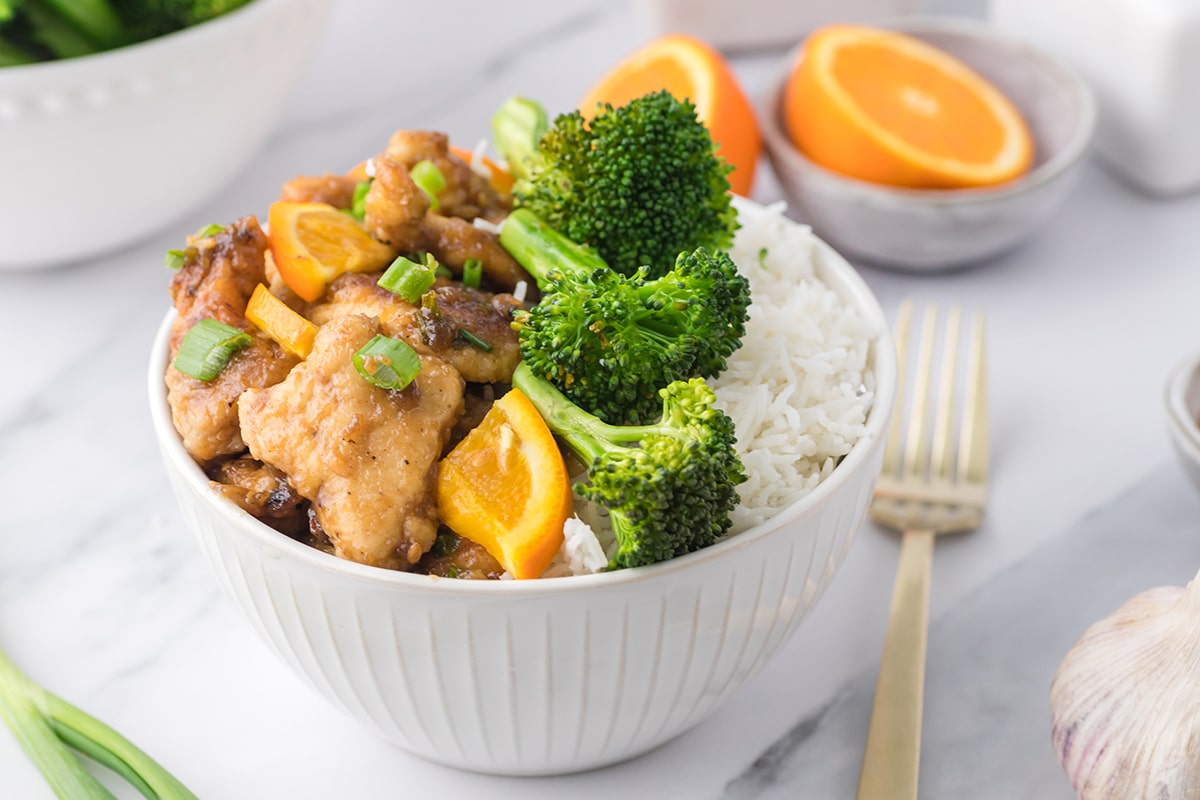
Serving Suggestions: Homemade orange chicken is fantastic served over steamed white or brown rice. Complement it with a side of blanched broccoli, stir-fried snow peas, or any of your favorite Asian-inspired vegetables for a complete and balanced meal.
*
Meal Prep Friendly: While the chicken is best enjoyed immediately for maximum crispiness, the sauce can be made ahead of time and stored in the refrigerator. This cuts down on prep time for a weeknight meal.
Conclusion
Homemade orange chicken is more than just a meal; it's an experience. It’s about taking a beloved takeout classic and infusing it with your own care, fresh ingredients, and personalized touches. By focusing on crispy chicken and a thoughtfully balanced, aromatic orange sauce, you can create a dish that not only satisfies your cravings but also impresses everyone at your table. Embrace the freshness, experiment with the flavors, and enjoy the delicious journey of making this iconic Chinese-American dish right in your own kitchen. For a deeper understanding of the culinary bridge between authentic Chinese flavors and their Americanized adaptations, check out
Orange Chicken Decoded: Authentic Flavors vs. Americanized Sweetness. Happy cooking!